How to Actually Use AI in Sales Enablement (Without Wasting Everyone's Time)
Your reps are already using AI. You just don't know which ones, or what they're doing with it.
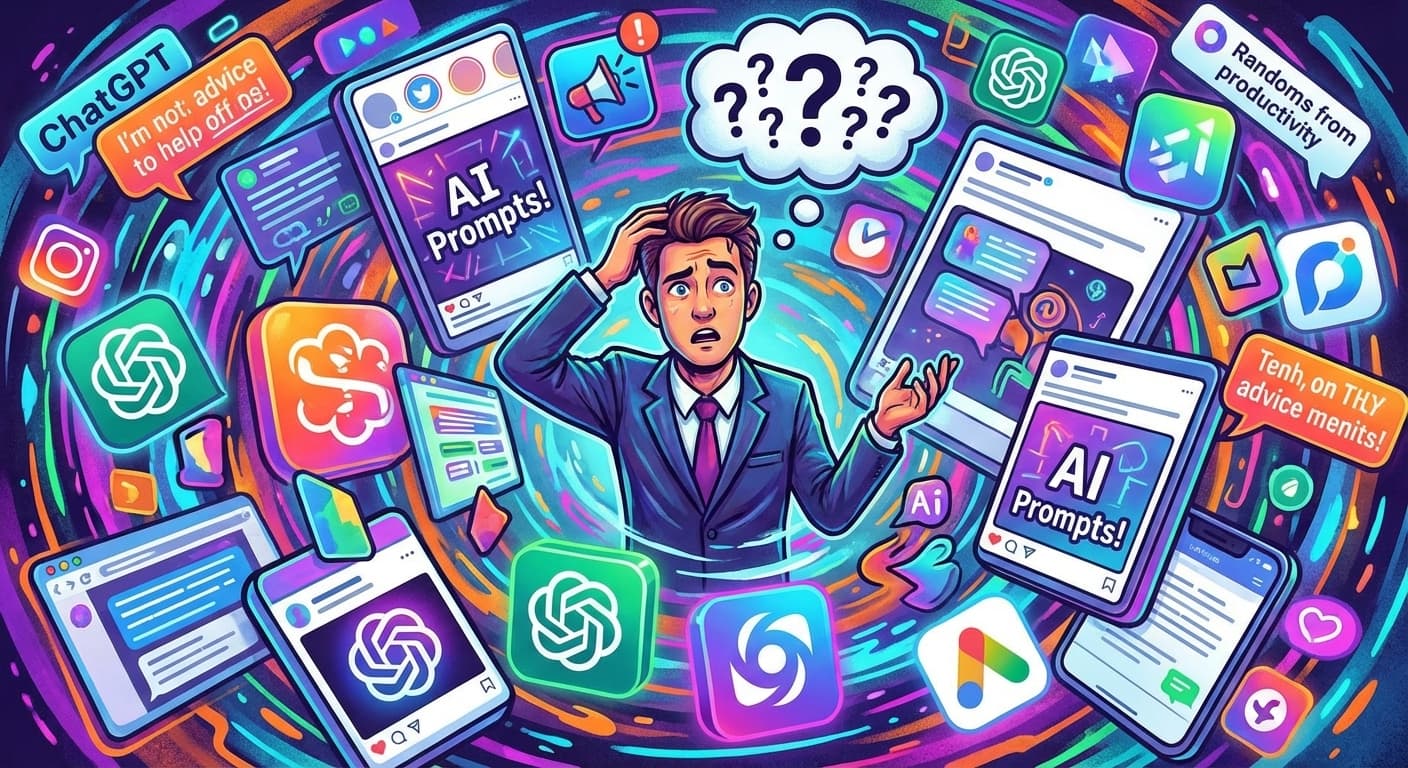
Your reps are already using AI. You just don't know which ones, or what they're doing with it.
Some have ChatGPT open in another tab, rewriting emails and prepping for calls. Some are using tools you've never heard of. Some are still doing everything manually while their teammates quietly pull ahead.
It's a mess. A hodgepodge. Everyone figuring it out on their own with random prompts and whatever app showed up in their LinkedIn feed last week.
And nobody's telling you the full picture. Reps aren't sure if they're supposed to be using this stuff or not.
Meanwhile, you're trying to figure out what to actually do. Leadership wants "an AI strategy." But what does that even mean?
Here's a framework that actually works.
First: Understand What AI Changed
AI didn't just add a new tool to sales enablement. It changed what's possible.
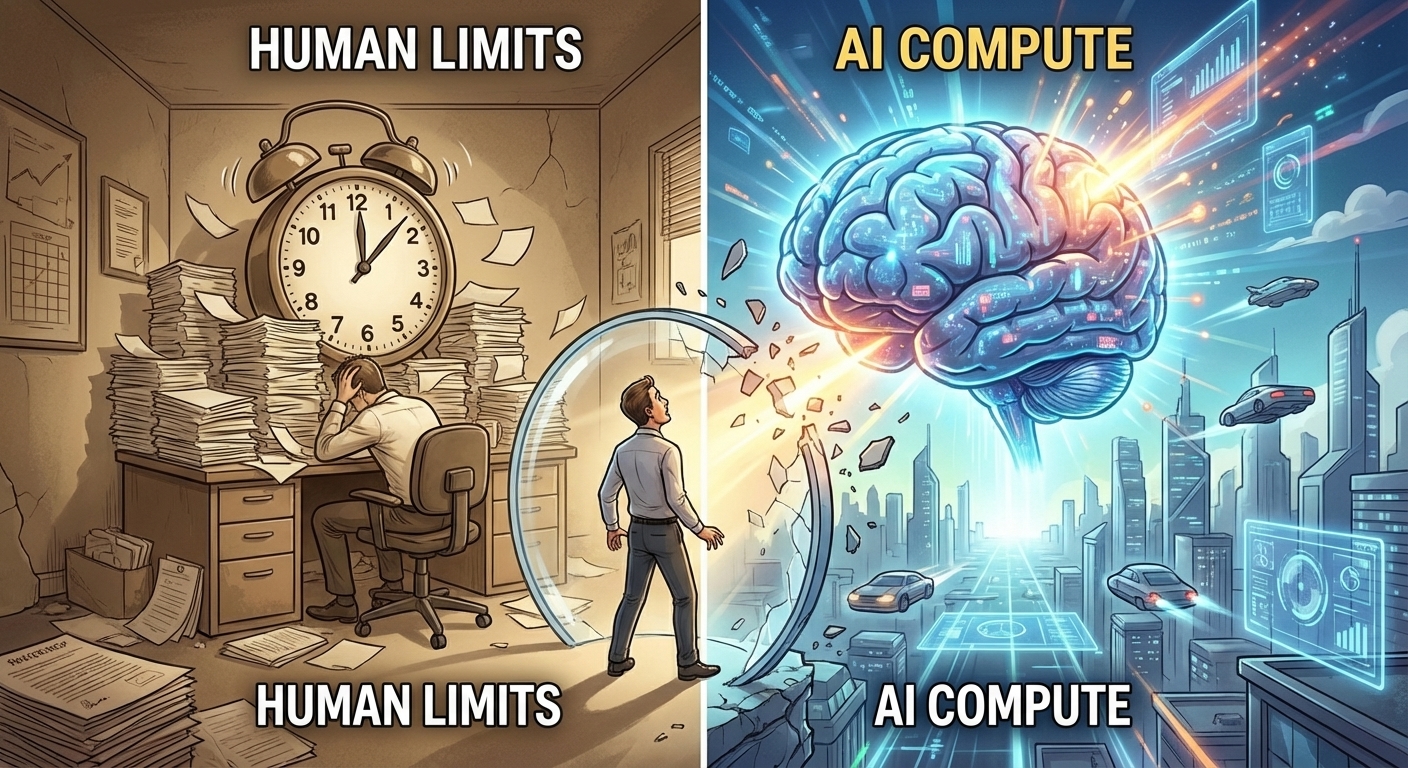
Before AI, sales performance was limited by humans. How many reps you could hire. How much time managers had to coach. How many calls someone could make in a day.
Now those limits are gone.
AI can research every prospect before every call. AI can analyze every conversation. AI can generate personalized outreach at scale.
The question isn't "should we use AI?" The question is "how much compute are we willing to run?"
The companies deploying the most AI against their sales motions will have an unfair advantage over everyone else. That's not hype. That's the new reality.
The Two Categories: Automate vs. Amplify
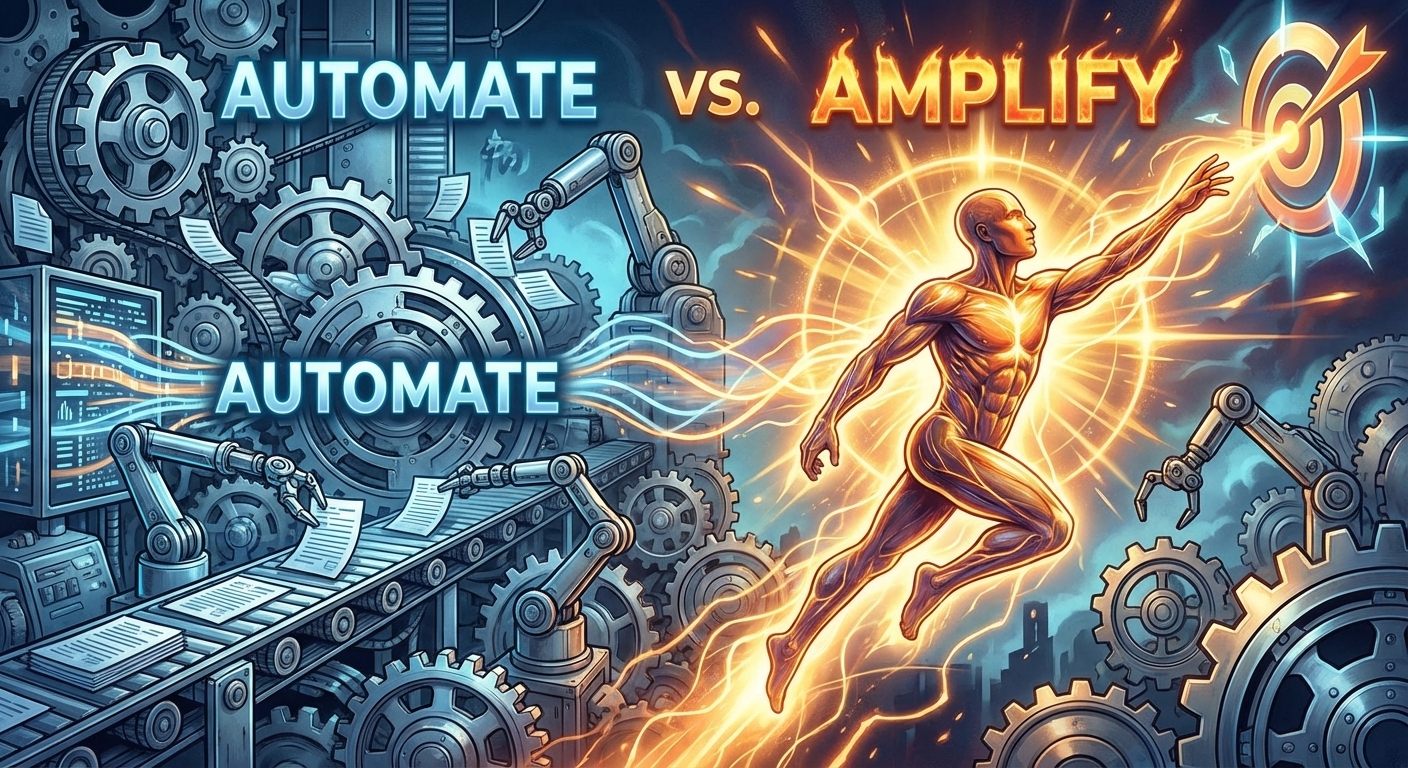
Here's the framework. Every AI application in sales enablement falls into one of two buckets:
Category 1: Automate the Commodity Work
These are tasks that AI can do better than humans. Stop wasting human time on them.
Automate:
- Prospect research and company intel
- CRM updates and data entry
- First-draft emails and follow-ups
- Call transcription and summarization
- Meeting prep and agenda generation
- Scheduling and admin work
If a task is repetitive, data-driven, or doesn't require human judgment in the moment, automate it. Free up your reps to do work that actually requires a human.
Category 2: Amplify Human Execution
These are the moments that close deals. AI can't replace them, but it can make your people dramatically better at them.
Amplify:
- Live conversation fluency (objection handling, discovery, negotiation)
- Real-time coaching and feedback
- Pattern recognition across winning deals
- Scaling what your best reps know to the whole team
This is where most enablement programs fail. They focus on content consumption instead of execution capability. AI changes that. You can now run thousands of simulated conversations, give instant feedback, and build muscle memory at scale.
The Execution Gap Is the Real Problem
Most enablement tools measure the wrong thing. Content consumed. Courses completed. Videos watched.
None of that matters if your rep still freezes when a buyer says "your competitor is cheaper."
What actually matters: can your people execute when it counts?
This is where AI has the biggest impact. Not in creating more content, but in building execution capability.
Think about how elite athletes train now. A golfer doesn't just hit balls and hope they improve. AI analyzes footage of every swing: club angle, hip rotation, weight transfer. Frame by frame. The AI spots patterns the human eye misses and gives specific, actionable feedback.
Then the athlete practices. Thousands of reps. With that feedback. Until the right move becomes instinct.
Your sales team should work the same way.
AI can analyze your reps' actual calls. Not just transcribe them, but identify patterns. Where do they lose deals? What do your best reps say differently? When does the conversation go wrong?
Then AI-powered practice. Simulated buyer conversations with realistic pushback. Instant feedback on what worked and what didn't. Repetition until handling "we don't have budget" is as natural as breathing.
That's the shift: from content delivery to execution development.

The Truth Problem: Your CRM Is Fiction
Here's something else AI solves that nobody talks about.
Your managers don't actually know what's happening in deals. And reps aren't always honest about it.
Pipeline reviews are theater. Reps mark deals at stages they haven't earned. "Strong relationship" means "I sent an email last month." "Verbal commit" means "they said maybe." Forecasts are built on optimism, not reality.
And managers don't have time to find out the truth. They're stretched across too many reps, too many deals, too many fires. They can't listen to every call or read every email thread. So they rely on what reps tell them. And reps tell them what they want to hear.
It's the same problem with AI adoption itself. You know some reps are using AI tools. You know some aren't. But you don't have time to audit everyone's browser tabs or investigate which apps they've signed up for. So you're flying blind on that too.
AI changes this.
AI can listen to every call. Read every email. Analyze what's actually being said by the buyer, not what the rep claims was said. It can flag deals where the buyer's language doesn't match the stage. It can identify patterns that predict whether a deal is real or fiction.
This isn't about catching reps in lies. It's about giving managers and reps the same source of truth.
When AI tells a rep "the buyer mentioned budget concerns three times and you didn't address it," that's actionable coaching. When AI flags a deal as at-risk because the buyer's engagement dropped off, that's useful data, not gut feel.
Use AI to verify, not just automate. Let it help you see what's actually happening in your pipeline, and then help your humans close the real deals.

What to Actually Do (The Playbook)
Here's how to implement this:
Step 1: Audit Your Current Stack
Look at what your reps spend time on. How much is commodity work that AI could handle? How much is high-value human work?
Most teams find their reps waste hours on research, admin, and prep that AI does better and faster.
Step 2: Automate the Commodity Layer
Pick the highest-time-waste activities and automate them first. Quick wins:
- AI-powered prospect research before calls
- Automated CRM updates from call transcripts
- AI-drafted follow-up emails (human-reviewed before sending)
The goal: give your reps back hours every week to focus on what matters.
Step 3: Build Execution Capability
This is the hard part, and where most AI implementations fail.
Some enablement platforms have added "AI practice" features. Great. But ask yourself: is it designed to help your reps sound better than a bot? Or is it just covering the basics?
If your AI practice tool is only teaching reps to hit baseline competency, you're missing the point. A bot can do baseline. A bot can handle the script. A bot can cover the basics without salary and benefits.
The goal isn't competent reps. The goal is reps who sound undeniably human. Different from competitors. Able to handle the moments where the script breaks and something real needs to happen.
Don't just buy AI practice. Buy AI practice that makes your humans irreplaceable.
Build a system that develops actual fluency:
- AI-simulated practice conversations with realistic buyer pushback
- Immediate feedback on what worked and what didn't
- Repetition until handling objections becomes reflex
- Visibility into execution gaps across the team
The best reps already do something like this on their own. They prep obsessively, they practice their pitch, they review what works. AI lets you systematize that for everyone.
Step 4: Measure Execution, Not Consumption
Kill the adoption dashboards. Nobody cares how many courses your team completed.
Measure what matters:
- Can they handle the top 5 objections without hesitating?
- Do they sound different from competitors?
- How quickly do new hires reach competence?
- What's the gap between your best reps and everyone else?
If that gap is wide, you have a Value Transmission Gap: the difference between what your top performers know and what your whole team can actually execute.
The Uncomfortable Truth
Here's what nobody wants to say out loud:
AI is getting good enough that mediocre sales reps are becoming redundant.
Bots can already do research, send emails, book meetings, and handle inbound. They're getting better every month. They don't cost salary and benefits.
The only reps who stay valuable are the ones who can do what AI can't: read a room, build real trust, handle the moment when the script breaks and something genuinely human needs to happen.
Your enablement strategy should be building that capability. Not creating more content for people to ignore.
The Bottom Line
You're being pushed to "use AI in sales enablement." Here's the actual answer:
-
Automate commodity work. Research, admin, first drafts. Stop wasting human time on things AI does better.
-
Amplify human execution. Build the fluency that AI can't replace. Practice, feedback, repetition until your team executes at a level bots can't touch.
-
Measure what matters. Execution capability, not content consumption.
-
Accept the new reality. Sales is becoming a compute problem. The teams running the most AI against their sales motions will win.
The companies that figure this out will look unfair to everyone else.
They should.

What's your experience? Is your org pushing AI without a clear strategy? What's working and what isn't? I'd genuinely like to hear what's happening on the ground.
Author

Vidal Graupera
Vidal is the Founder of Salesably, focused on using AI to elevate human skills in sales training and enablement. He has extensive experience in building platforms that leverage artificial intelligence for sales improvements.
Table of Contents
Free Sales Training Guide
Download our comprehensive guide to building effective sales training programs that drive results.
AI Sales Training Template: 2026 Edition
PDF Guide • 16 pages • 3.0 MB
We respect your privacy. Unsubscribe at any time.